
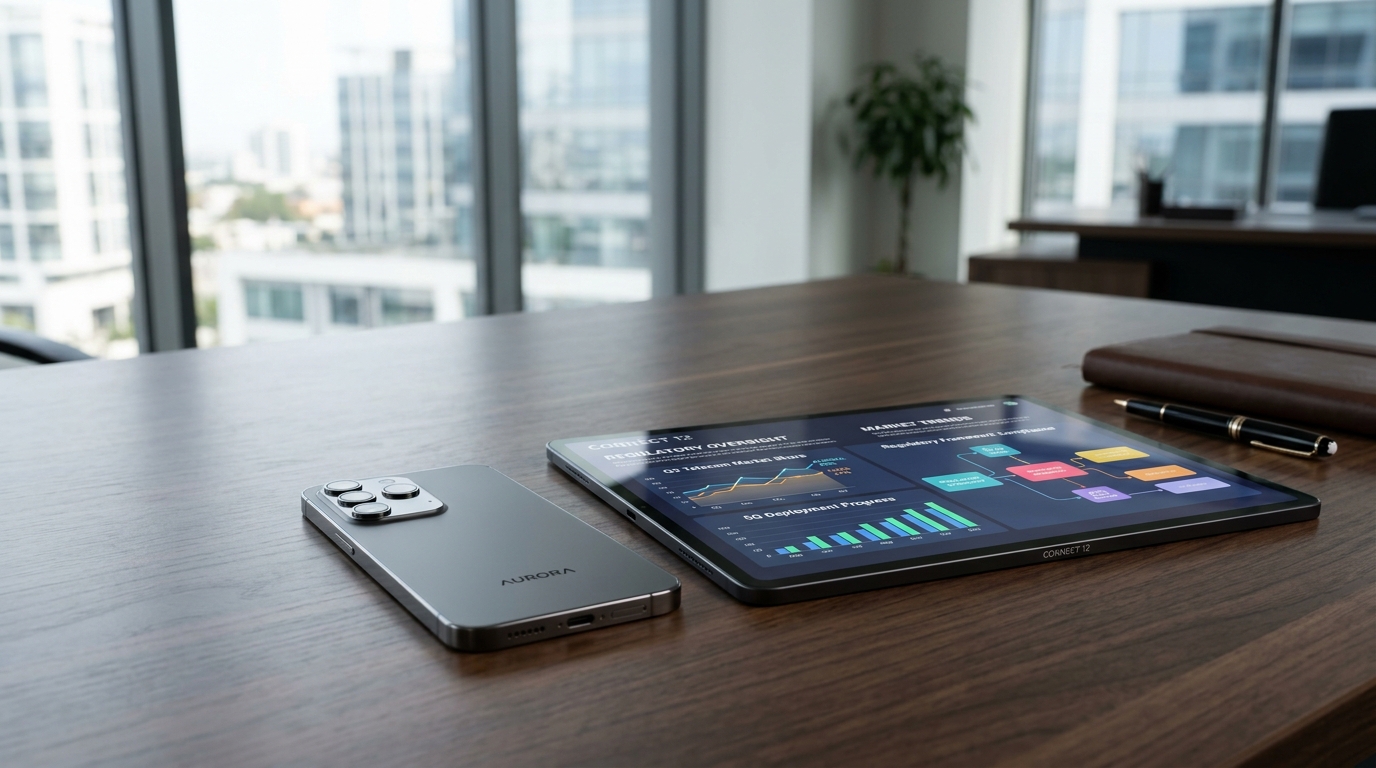
In one of the most anticipated consumer technology policy developments of the year, the Federal Board of Revenue (FBR), in coordination with the Pakistan Telecommunication Authority (PTA), has formally promulgated Circular No. 1 of 2026, sanctioning the payment of sales tax and regulatory levies on imported commercial and personal mobile devices in structured installments.
This regulatory milestone operationalizes amendments made to the Ninth Schedule of the Sales Tax Act, 1990 (enacted through the Finance Act, 2026). It directly addresses an acute friction point that has shaped Pakistan’s digital device ecosystem for more than half a decade: high upfront statutory duties that can exceed PKR 140,000 to PKR 195,000 on flagship smartphones like the Apple iPhone 16 Pro Max, Samsung Galaxy S25 Ultra, and Google Pixel 9 series.
While news of the installment policy has triggered widespread excitement across social media and retail markets in Karachi, Lahore, and Islamabad, both regulators have stressed that the facility operates under strict legal criteria and technical lifecycle rules.
Here is a comprehensive, expert breakdown of how the FBR-PTA installment framework works, the underlying DIRBS architecture, the mandatory fiscal year clearance deadline, the tax slabs, and what consumers and tech professionals need to know to avoid falling victim to fraudulent third-party schemes.
1. Regulatory Foundation: FBR Circular No. 1 of 2026 & Ninth Schedule Amendments
For years, imported smartphones registered for local SIM operation through PTA’s Device Identification, Registration and Blocking System (DIRBS) required 100% upfront lump-sum clearance of all customs duties, sales tax, regulatory duty (RD), and advance income tax within a mandatory 60-day grace window. Failure to pay meant immediate network blacklisting across all domestic telecom operators—Jazz, Zong, Ufone, and Telenor.
Under the newly issued FBR Circular No. 1 of 2026, the revenue board has enacted an operational bridge between customs valuation and tax collection:
- Staged Sales Tax Settlement: The amendment allows the sales tax component stipulated in the Ninth Schedule to be bifurcated into sequential payment tranches rather than an inescapable single upfront hit.
- Binding Fiscal Year Cleardown: FBR Circular No. 1 contains a non-negotiable legal constraint: all installment tranches for an imported device must be settled in full prior to the conclusion of the fiscal year (June 30th) in which the device was imported or registered.
- Zero Tax Relief Clarification: The regulatory circular modifies the timing mechanism of tax collection, not the cumulative duty assessment. The total tax liability assessed against the device’s C&F (Cost and Freight) dollar value remains identical.
       ┌────────────────────────────────────────────────────────┐
       │             Finance Act 2026 Amendment                 │
       │        (Ninth Schedule, Sales Tax Act, 1990)           │
       └───────────────────────────┬────────────────────────────┘
                                   │
                                   ▼
       ┌────────────────────────────────────────────────────────┐
       │             FBR Circular No. 1 of 2026                 │
       │    (Establishes Rules for Split Sales Tax Payments)    │
       └───────────────────────────┬────────────────────────────┘
                                   │
                                   ▼
       ┌────────────────────────────────────────────────────────┐
       │              PTA DIRBS Technical Gateway               │
       │    • GSMA TAC Validation                               │
       │    • Provisional EIR Whitelisting                      │
       │    • 1Link / Raast PSID Dynamic Tranche Tracking       │
       │    • Strict June 30 Fiscal Year Final Cleardown        │
       └────────────────────────────────────────────────────────┘
2. Technical Architecture: How DIRBS Will Manage Installment Lifecycles
PTA’s Device Identification, Registration and Blocking System (DIRBS) is one of the world’s most sophisticated centralized telecom device gating systems. Implemented in 2018, DIRBS interfaces with:
- GSMA Global IMEI Database: Validates device brand, model, and hardware authenticity based on Type Allocation Codes (TAC).
- WeBOC (Web-Based One Customs): Evaluates customs assessment values based on FBR valuation rulings.
- Core Telecom Equipment Identity Registers (EIR): Connects to the signaling backbones of all cellular mobile operators to command tower-level IMEI whitelisting or blocking.
The Challenge of Binary Blocking vs. Conditional Whitelisting
Historically, DIRBS operated as a binary finite-state machine:
$$\text{State} \in {\text{Compliant / Whitelisted}, \text{Provisional 60-day Window}, \text{Blocked / Blacklisted}}$$
To support installment payments, PTA engineers are completing an architectural upgrade to DIRBS:
- Dynamic Tranche PSID Generation: When a user registers an IMEI on the DIRBS web portal or via USSD (
*8484#), the system generates an overarching Master Assessment and assigns modular 1Link / 1Bill / Raast Payment System Identifiers (PSIDs) corresponding to each scheduled installment tranche. - Conditional EIR Whitelisting: Upon verification of the initial down-payment tranche from the clearing bank or mobile wallet, DIRBS transmits a Provisional Extension Command to operator EIR nodes, granting active cellular access for the duration of the tranche period.
- Automated Non-Payment Revocation: If a scheduled tranche is missed or the June 30 statutory deadline expires without full settlement, DIRBS automatically triggers an automated revocation command, instantly blacklisting the device’s IMEIs from registering on any Pakistani base transceiver station (BTS).
3. Comprehensive Smartphone PTA Tax Breakdown (2026 Assessment)
To understand how installments will be calculated, consumers must understand the multi-tiered taxation structure enforced on imported handsets in Pakistan.
Taxes on imported smartphones in Pakistan consist of four primary components:
- Customs Duty (CD): Fixed or ad valorem tariff based on import valuation.
- Regulatory Duty (RD): Levied to encourage local mobile handset manufacturing and assembly.
- Sales Tax (Ninth Schedule): The specific component addressed by FBR Circular No. 1 of 2026.
- Advance Income Tax (Section 148): Differentiated heavily based on whether the taxpayer is an Active Tax Filer or Non-Filer on the FBR Active Taxpayer List (ATL).
- Mobile Levy & Provincial Stamp Duties: Applicable to higher-tier brackets.
Estimated PTA Tax Slabs for Popular Smartphone Classes (CNIC Basis)
| C&F Value Bracket (USD) | Representative Devices | Approximate Filer Tax (PKR) | Approximate Non-Filer Tax (PKR) | Installment Suitability |
|---|---|---|---|---|
| Up to $30 | Basic feature phones | ~PKR 850 – 1,200 | ~PKR 1,500 – 2,200 | Lump-sum (Direct) |
| $30 to $100 | Entry-level Android smartphones | ~PKR 6,500 – 9,800 | ~PKR 11,000 – 15,500 | Optional 2-tranche |
| $100 to $200 | Budget mid-rangers (Redmi, Infinix, Spark) | ~PKR 16,000 – 24,000 | ~PKR 27,000 – 38,000 | 2 to 3 Tranches |
| $200 to $350 | Solid mid-rangers (Galaxy A series, Poco, Vivo V) | ~PKR 38,000 – 52,000 | ~PKR 55,000 – 72,000 | 3 to 4 Tranches |
| $350 to $500 | Upper mid-rangers / Older flagships | ~PKR 65,000 – 85,000 | ~PKR 88,000 – 115,000 | 3 to 6 Tranches |
| Above $500 (Flagships) | iPhone 15/16 Pro Max, S24/S25 Ultra, Fold/Flip | ~PKR 135,000 – 165,000 | ~PKR 175,000 – 205,000+ | Prime Target for Installments |
Note: Exact duties fluctuate based on prevailing interbank USD/PKR exchange rates, FBR Valuation Rulings, and passport vs. CNIC registration criteria. Passport allowances require international travel history within 60 days of entry.
4. Crucial Consumer Warning: Beware of Fake Online “Installment” Scams
Following the announcement of FBR Circular No. 1, an alarming wave of unauthorized websites, Facebook pages, and WhatsApp groups have surfaced, promising instant “PTA Tax Installment Plans” or “DIRBS Temporary Patch Unlocks” for fees ranging from PKR 10,000 to PKR 30,000.
PTA and cybercrime authorities have issued explicit advisories detailing that:
- The Front-End Portal Is Not Yet Fully Live for General Public Self-Service: While the legislative and circular frameworks are finalized, PTA is conducting sandbox tests with 1Link and commercial banking partners before turning on the user-facing installment button inside the official DIRBS Portal.
- Never Pay Any Third Party or Individual: Legitimate PTA tax payments are only executed via official 17-digit PSID numbers generated directly on
dirbs.pta.gov.pkor via the official USSD code*8484#. These PSIDs are payable exclusively through recognized banking apps, ATM networks, EasyPaisa, JazzCash, or over-the-counter at authorized commercial bank branches. - Beware of IMEI Patching: Software patching or spoofing IMEIs to bypass DIRBS is a federal criminal offense under the Prevention of Electronic Crimes Act (PECA) and the Pakistan Telecommunication (Re-organisation) Act. Devices with cloned IMEIs are permanently blacklisted across all cellular towers once detected by automated telecom fraud filters.
5. Enterprise Impact: Software Labs, Mobile QA, and Infrastructure Workarounds
The burden of high smartphone import taxes extends far beyond individual consumers. It has long exerted significant drag on Pakistan’s fast-growing software export sector, particularly among mobile app development companies, fintech startups building on the SBP Open Banking framework, and game development studios.
Pakistani mobile software firms typically require access to dozens of diverse iOS and Android physical test devices across varying chipset generations and screen sizes to conduct automated integration testing, biometric verification audits, and performance benchmarking.
To circumvent the prohibitive capital expenditure of importing large fleets of physical test devices subject to full DIRBS customs taxation, forward-looking engineering teams have adopted modern cloud-native virtualization architectures:
1. Cloud-Based Mobile Testing Device Farms
Rather than purchasing and registering physical hardware locally, mobile engineering agencies deploy cloud-hosted device grids (such as AWS Device Farm, BrowserStack, or self-hosted OpenSTF clusters). These platforms run continuous automated test suites without requiring local SIM cards or cellular radio registration.
2. High-Performance Emulation on Dedicated Bare-Metal Compute
Running headless Android emulators (AVD/QEMU) and Dockerized test runners consumes massive CPU compute, nested hardware virtualization extensions, and high memory bandwidth. Virtualized shared hosting environments frequently throttle CPU cycles, causing emulator crashes and build timeouts.
To achieve continuous, reliable automated deployment, enterprises leverage dedicated bare-metal infrastructure:
- Engineering teams running localized real-time data pipelines and staging environments rely on Dedicated Servers in Pakistan to ensure compliance with national data residency regulations while benefiting from sub-10ms domestic latency.
- For distributed international CI/CD pipelines, automated mobile test clusters, and cross-border SaaS hosting, teams deploy high-bandwidth Dedicated Servers capable of orchestrating hundreds of concurrent emulator containers simultaneously without hardware contention.
       Local Developer Workstations
                   │
                   ▼  (Git Commit / PR Trigger)
       ┌────────────────────────────────────────────────────────┐
       │         Enterprise CI/CD Automation Matrix             │
       │   Hosted on Dedicated Bare-Metal Compute Infrastructure │
       └───────────────────────────┬────────────────────────────┘
                                   │
              ┌────────────────────┴────────────────────┐
              ▼                                         ▼
   [Dedicated Servers in Pakistan]             [Dedicated Servers]
    • SBP & SECP Data Localization              • Global Distributed CI/CD
    • Domestic Staging & API Mocking            • Scaled Parallel Mobile Emulators
    • Sub-10ms Core Network Latency             • High-Bandwidth Cloud Pipelines
6. What Should Smartphone Buyers Do Right Now?
If you are planning to purchase or import a non-PTA smartphone over the coming weeks, keep the following tactical recommendations in mind:
- Verify Official Updates Exclusively: Check
pta.gov.pkandfbr.gov.pkdirectly for the official announcement detailing the live deployment of installment PSID generation in the DIRBS UI. - Ensure Active Filer Status: If your tax status on the FBR Active Taxpayer List is currently ‘Inactive’ or ‘Non-Filer’, regularize your tax returns immediately. Filer status saves between PKR 30,000 and PKR 45,000 in withholding taxes on flagship devices.
- Plan for the June 30th Cutoff: If you opt for an installment schedule late in the fiscal year (e.g., March or April), your installment tenure will be shorter because the entire balance must legally be liquidated before the financial year closes on June 30.
- Demand Official Box and Physical Verification: When buying phones advertised as “PTA Approved” from local retailers, always verify the status yourself by sending each 15-digit IMEI to
8484via SMS or checking the DIRBS verification portal. Never rely on screenshots provided by sellers.
Conclusion
The Federal Board of Revenue’s Circular No. 1 of 2026 and the accompanying DIRBS installment framework mark a long-overdue modernization of Pakistan’s telecom taxation infrastructure. By shifting away from rigid upfront capital barriers toward manageable staged installments, the government is introducing structured liquidity relief for consumers, freelancers, and professionals while preserving statutory revenue collection.
As PTA completes the backend telecom EIR integration and prepares for the general public rollout, consumers must exercise diligence, steer clear of unauthorized third-party brokers, and utilize official digital banking channels to ensure uninterrupted device connectivity.
Power Your Digital Infrastructure with Nextgen Hosting
Deploy high-performance bare-metal servers and cloud instances tailored for Pakistani tech enterprises, fintech developers, and high-traffic platforms. Fully optimized with low-latency local routing, dedicated hardware isolation, and unmetered bandwidth.
Related Articles & Industry Coverage
- PTA 5G Spectrum Auction Framework & Commercial Rollout Details
- SBP Overhauls IT Export Regulations: Form ‘R’ Abolition & 50% Retention
- NADRA Launches Digital ID Wallet for Secure Identity Verification
- SBP Raast Cross-Border Freelancer Remittance Integration via ISO 20022
- High-Performance Pakistan VPS & Sovereign Cloud Hosting Solutions
