
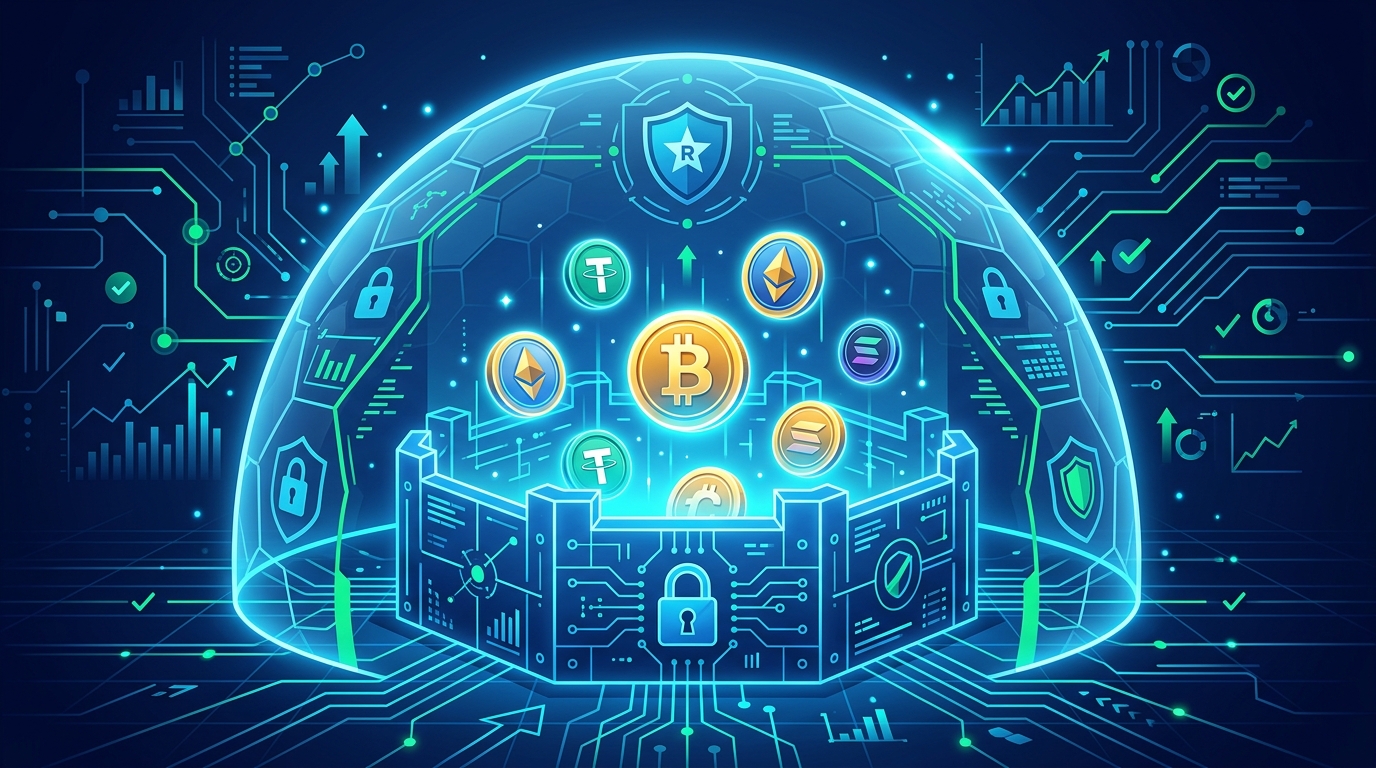
Following years of uncertainty and the historic SBP Crypto Reversal earlier this year, the Securities and Exchange Commission of Pakistan (SECP) has taken a definitive step towards institutionalizing digital assets. Today, the SECP announced the approval of Pakistan’s first regulatory sandbox for a domestic cryptocurrency exchange.
This initiative is designed to allow vetted fintech startups to test cryptocurrency trading platforms in a controlled, heavily monitored environment before a full public rollout.
The Regulatory Sandbox Framework
The sandbox will operate for an initial period of six months. During this time, the selected exchange will be permitted to onboard a limited number of institutional investors and high-net-worth individuals to trade major cryptocurrencies, primarily Bitcoin (BTC) and Ethereum (ETH).
The primary goal of the SECP is to observe how the exchange handles Anti-Money Laundering (AML) and Know Your Customer (KYC) compliance. The framework will heavily rely on the integration of the recently announced Pak-ID Digital Identity Wallet to ensure real-time identity verification.
Infrastructure and Security Requirements
Operating a crypto exchange requires military-grade cybersecurity and flawless uptime. The SECP guidelines stipulate that all trading engines and hot wallets must be hosted on secure infrastructure within Pakistan’s borders to ensure data sovereignty.
This mandate will likely drive a massive surge in demand for local Dedicated Cloud Servers. High-frequency trading engines require zero-latency network backhauls and dedicated NVMe storage to process thousands of transactions per second without slippage.
Furthermore, exchanges must implement multi-signature cold storage solutions and undergo monthly third-party penetration testing to protect user funds from cyberattacks.
The Future of Digital Finance in Pakistan
“By bringing cryptocurrency trading into a regulated sandbox, we are acknowledging the reality of digital assets while prioritizing consumer protection and national financial security,” stated an SECP commissioner during the press release.
If the sandbox phase is successful, the SECP plans to issue the first official “Digital Asset Exchange Licenses” by late 2027. This move is expected to attract significant foreign direct investment (FDI) into Pakistan’s rapidly evolving fintech sector, positioning the country as a competitive player in the regional web3 ecosystem.
