
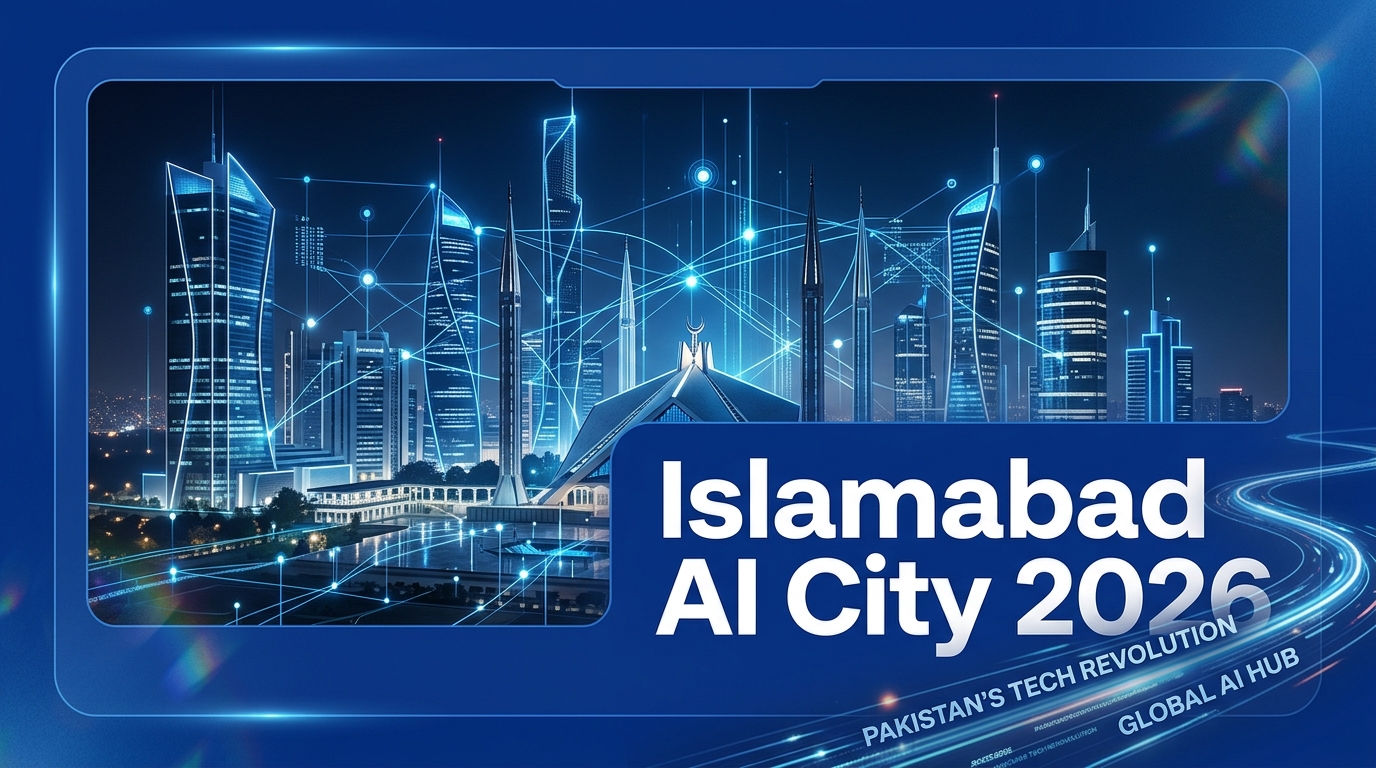
In a massive leap forward for urban infrastructure, the Punjab Government has officially inaugurated Pakistan’s first Autonomous AI Traffic Management System (AATMS) in Lahore. Aimed at solving the city’s notorious gridlocks, the multi-million dollar project integrates thousands of edge-computing nodes, IoT sensors, and high-definition cameras across major arteries like Canal Road and Ferozepur Road.
This deployment marks a significant milestone in the country’s broader Smart City and IoT Integration initiative, firmly positioning Lahore alongside modern metropolises globally.
How the Autonomous System Works
Traditional traffic lights operate on rigid, pre-programmed timers, often causing vehicles to sit at red lights for minutes while intersecting roads remain completely empty. The AATMS eliminates this inefficiency entirely.
The system relies on a vast network of IoT sensors that feed real-time telemetry data—including vehicle density, average speed, and lane occupancy—into a centralized Artificial Intelligence core. This AI constantly analyzes the macro-traffic patterns of the entire city and dynamically adjusts traffic light durations in real-time.
If the system detects heavy congestion building up on Main Boulevard, it will proactively lengthen the green lights along that specific route to flush out the traffic, while safely minimizing green time on intersecting roads with fewer vehicles. Early beta testing over the last three months has shown a remarkable 30% reduction in average commute times during peak rush hours.
The “Green Corridor” Emergency Feature
Perhaps the most life-saving feature of the AATMS is its emergency routing protocol. The AI utilizes acoustic sensors and visual pattern recognition to detect ambulances, fire trucks, and police cruisers from miles away.
Once an emergency vehicle is identified, the system calculates its trajectory and creates a continuous “Green Corridor,” automatically turning all upcoming traffic lights green and clearing intersections before the ambulance even arrives. This ensures zero delays during critical medical emergencies.
The Infrastructure Powering the AI
Processing terabytes of high-definition video feeds and telemetry data in real-time requires immense computational power. Sending this data to overseas cloud servers would introduce latency—a delay of even one second could cause traffic accidents. To solve this, the government deployed localized Edge Computing nodes directly connected to the traffic infrastructure.
This highlights a growing need for robust, local hardware. For enterprise developers building similar AI or IoT pipelines, having raw, unshared computing power is non-negotiable. Nextgen’s enterprise-grade Dedicated Servers housed in our secure Pakistani data centers provide the exact low-latency, high-bandwidth environment required to process big data and run complex neural networks locally.
Looking Towards the Future
The successful launch in Lahore is just Phase 1. Following the blueprint laid out by the Islamabad AI City Project, the government plans to expand the AATMS to Rawalpindi, Multan, and Faisalabad by late 2027.
By drastically reducing idle time at traffic lights, the system is also projected to save millions of liters in fuel annually, significantly lowering the carbon footprint of Pakistan’s most bustling metropolis.
