
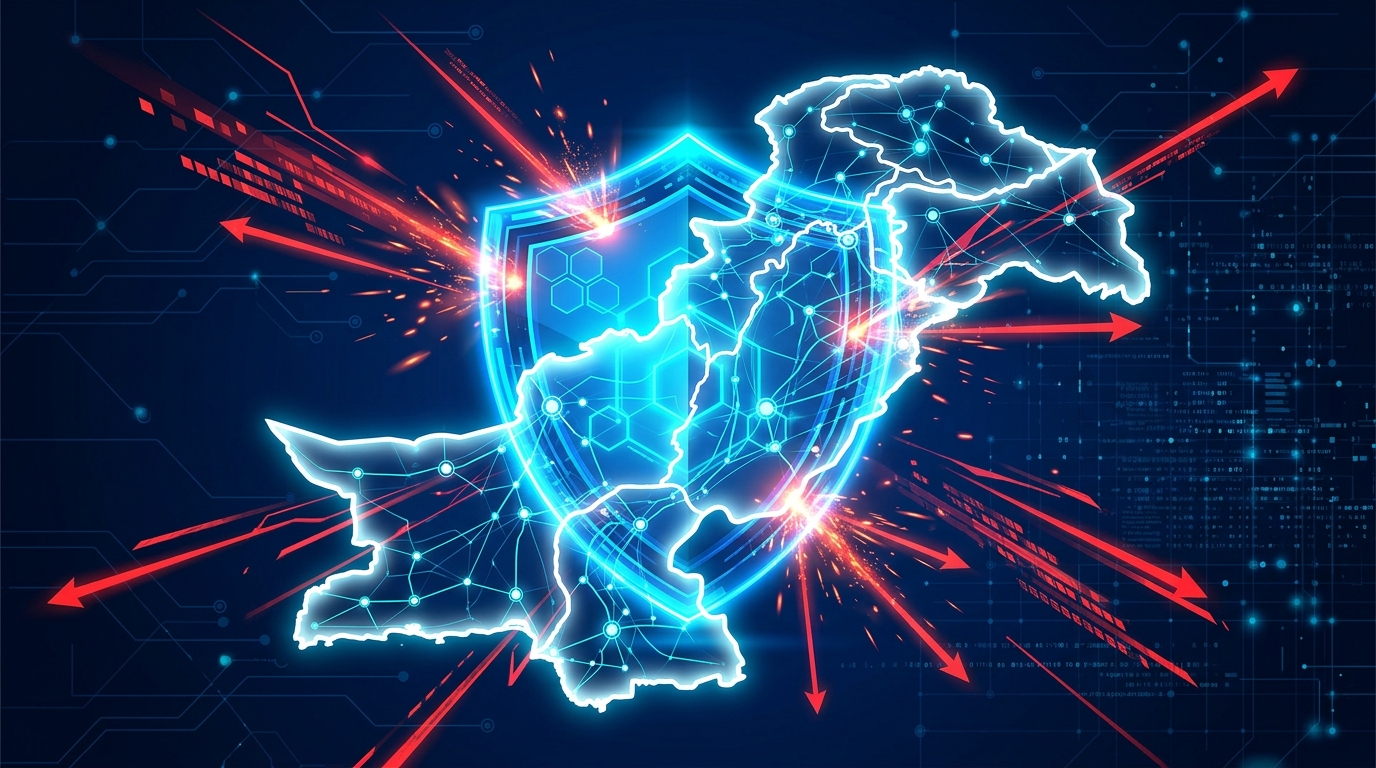
In response to a dramatic 400% year-over-year increase in sophisticated volumetric Distributed Denial of Service (DDoS) attacks targeting the regional banking and e-commerce sectors, the Ministry of Information Technology and Telecommunication (MoITT) has officially launched the National Cyber Security Framework 2.0.
This updated regulatory mandate forces both government institutions and private-sector digital enterprises to radically upgrade their network edge defenses.
The Threat Landscape in 2026
Over the past year, Pakistani web infrastructure has been heavily targeted by international botnets. These attacks are no longer simple Layer 3/4 volume floods; they have evolved into complex Layer 7 application-layer attacks designed to exhaust server resources (like PHP workers and database connections) while mimicking legitimate human traffic.
“The introduction of Framework 2.0 is an absolute necessity to protect the Digital Pakistan vision. We cannot build a smart city infrastructure or rely on a digital digital identity wallet if the underlying data centers are vulnerable to basic extortion tactics,” stated a lead cybersecurity advisor at the National Telecom and Information Technology Security Board (NTISB).
Impact on Web Hosting and Enterprises
Under the new framework, all critical infrastructure providers, financial institutions, and major e-commerce platforms must prove they have multi-terabit DDoS mitigation pipelines in place by Q4 2026.
For developers and enterprises, this means choosing hosting providers that offer enterprise-grade edge protection by default. Nextgen’s Dedicated Cloud Servers are already fully compliant with the 2.0 framework, offering inline Layer 7 packet inspection and AI-driven threat mitigation that absorbs malicious traffic before it even reaches the physical server rack.
Furthermore, the framework heavily regulates the use of outdated protocols, forcing administrators to adopt strict firewall configurations. (If you are an administrator struggling with new firewall rules, refer to our SSH Troubleshooting Guide to ensure you aren’t locking yourself out during the upgrade process).
Looking Ahead
The government has also announced subsidies for startups integrating AI-driven intrusion detection systems into their applications, a move closely aligned with the recent launch of the Pakistan AI Venture Fund. As the digital economy scales, cybersecurity is no longer an afterthought—it is the foundational layer of modern Pakistani enterprise.
