
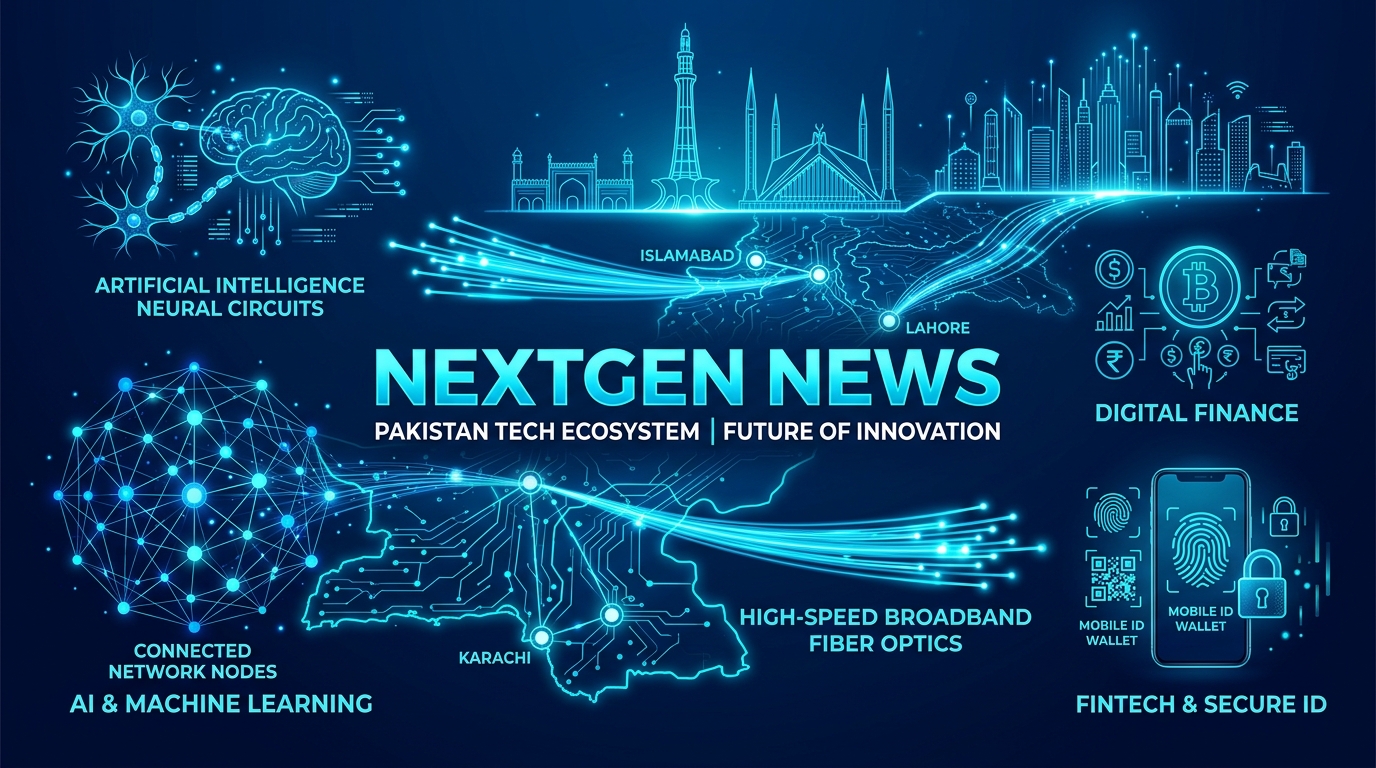
Pakistan’s technology sector is undergoing a monumental shift, marked by a resounding presence at LEAP 2026 in Riyadh. As the government unveils ambitious plans for a comprehensive “National Digital Stack,” the country is positioning itself not just as a consumer of technology, but as a pivotal player in the global digital economy. This deep dive explores the core components of these initiatives and what they mean for startups, enterprises, and the future of e-governance in Pakistan.
The National Digital Stack: An Open-Source Vision
At the heart of Pakistan’s tech resurgence is the announcement of the National Digital Stack. Far more than just a conceptual framework, this stack represents a foundational, open-source infrastructure designed to seamlessly integrate digital identity, data management, and national payment gateways.
Key Components of the Stack:
- Unified Digital Identity: Moving beyond traditional ID systems to a decentralized, secure digital persona for every citizen, enabling seamless access to government and private sector services.
- Interoperable Data Layers: Standardizing how data is stored and shared across federal and provincial departments to reduce redundancy and enhance public service delivery.
- Frictionless Payments: Building upon the success of Raast, the stack aims to create a robust API ecosystem for instant, zero-cost digital transactions, fostering financial inclusion.
The most groundbreaking aspect of this initiative, as announced by Federal IT Minister Shaza Fatima Khawaja at LEAP 2026, is the government’s commitment to sharing this digital infrastructure free of charge with other emerging economies once it reaches maturity.
The Digital Nation Pakistan Act
To ensure these technological leaps are grounded in solid legal frameworks, the Digital Nation Pakistan Act has been introduced. This critical piece of legislation formalizes the country’s digital governance by establishing two key bodies:
- The National Digital Commission: Tasked with setting the strategic vision and policies for national digitization.
- The Pakistan Digital Authority: The executing arm responsible for implementing the digital stack, ensuring cybersecurity standards, and fostering public-private partnerships.
For businesses hosting their infrastructure locally, this means a more regulated, secure, and supportive environment. Whether you are running complex applications on our Pakistan VPS or managing large-scale data, the new legal framework promises enhanced data sovereignty and clearer compliance guidelines.
The Indus AI Push and Industry Growth
Parallel to e-governance reforms, Pakistan is aggressively pursuing dominance in Artificial Intelligence. The government’s Indus AI initiative, aimed at training one million AI professionals, is already showing dividends. Mid-2026 reports indicate a significant pivot in IT exports—moving away from traditional staff augmentation toward high-end product engineering, SaaS solutions, and AI-driven platforms.
As the country expands its fiber-optic footprint and prepares for 5G spectrum auctions, the infrastructure is rapidly catching up with the talent pool. The development of new IT parks in major urban centers is providing the necessary ecosystem for startups to scale globally.
Conclusion
The convergence of the National Digital Stack, the Digital Nation Pakistan Act, and targeted AI training programs marks a watershed moment for Pakistan’s tech landscape. As the country showcases its potential as “Tech Destination Pakistan” at forums like LEAP 2026, the opportunities for investment and innovation have never been greater.
For developers, startups, and enterprises looking to build the next big thing, having reliable, high-performance local infrastructure is crucial. Explore how Nextgen Hosting’s powerful server solutions can support your digital transformation journey in this exciting new era.
Need Enterprise-Grade Performance?
If your workload demands maximum processing power and zero resource-sharing, explore our bare-metal Dedicated Servers and Dedicated Servers in Pakistan. We offer ultra-low latency, unmetered bandwidth, and enterprise-grade hardware to scale your operations seamlessly.
