
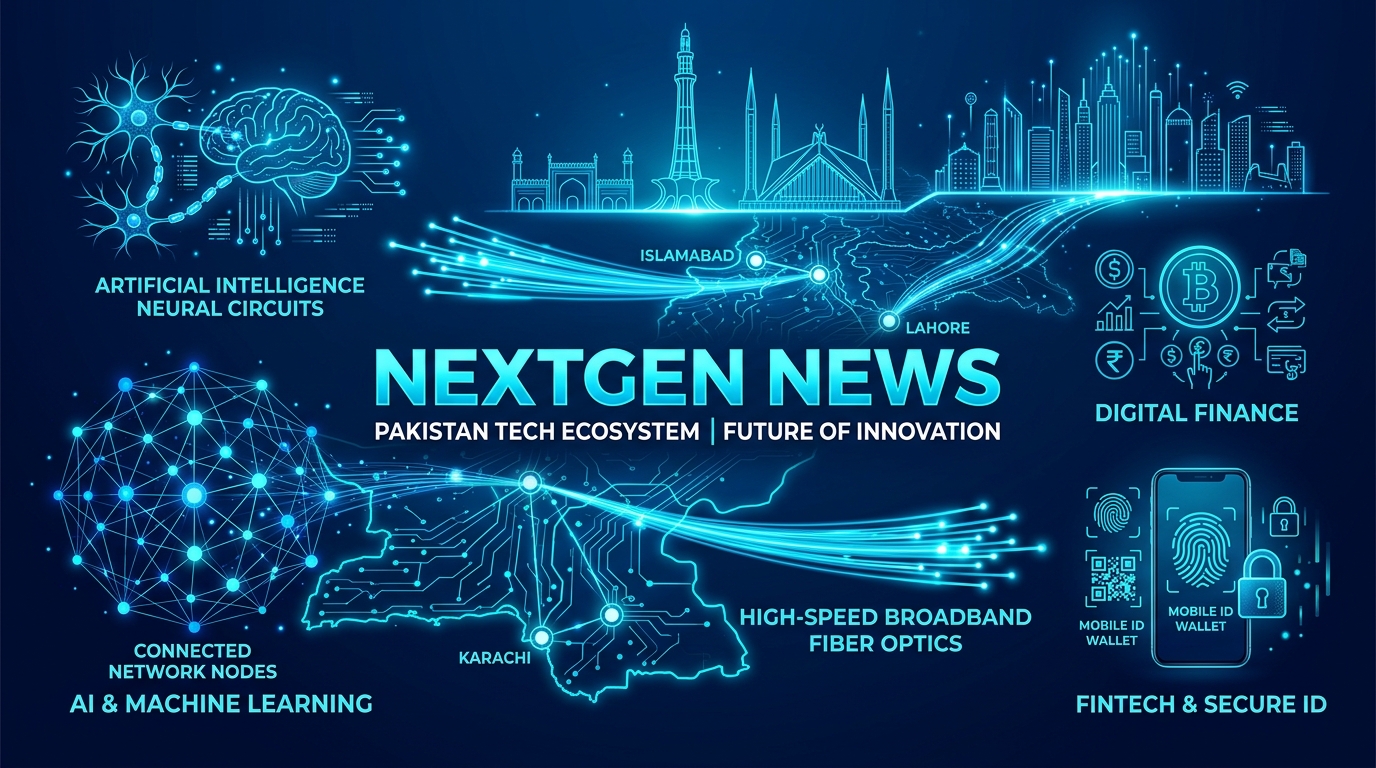
The Securities and Exchange Commission of Pakistan (SECP) has officially unveiled the regulatory framework for its highly anticipated FinTech Regulatory Sandbox 3.0. This marks a pivotal moment for Pakistan’s financial services industry, signaling the regulator’s continued commitment to fostering innovation, enhancing financial inclusion, and modernizing the capital markets.
What is the FinTech Regulatory Sandbox?
The SECP Regulatory Sandbox is a tailored, controlled environment designed to allow companies—ranging from unregistered startups to established international entities—to test innovative financial products, services, and business models on a limited scale before a full market rollout.
By operating within this sandbox, firms can trial their solutions under strict regulatory oversight. This ensures that the SECP can meticulously assess the viability, security, and consumer protection aspects of these innovations before creating permanent regulatory frameworks.
Key Features of Sandbox 3.0
Building on the success of its previous iterations, Sandbox 3.0 introduces several key focus areas:
- Broadened Scope: The new sandbox accommodates a wider array of sectors including insurance, non-banking finance, and broader capital markets.
- Dedicated Application Streams: To encourage diverse innovation, the SECP has introduced year-round application processing across three dedicated streams: Islamic finance, Conventional finance, and women-focused financial initiatives.
- Advanced Tech Integration: Sandbox 3.0 actively encourages applications leveraging cutting-edge technologies like Artificial Intelligence (AI) for KYC/AML processes, blockchain for real estate asset tokenization, and advanced data analytics for parametric insurance.
The Role of Robust Infrastructure
As financial technologies become more complex, testing these innovations requires enterprise-grade, highly secure IT infrastructure. Financial applications dealing with sensitive consumer data, tokenized assets, and AI-driven analytics cannot rely on standard shared hosting.
To meet the strict compliance, latency, and data localization requirements set forth by regulatory bodies, participating startups and enterprises must leverage powerful hosting solutions. Hosting secure FinTech sandbox architectures or local hybrid clouds demands the reliability of bare-metal Dedicated Servers. Furthermore, to ensure ultra-low latency for Pakistani users and comply with local data sovereignty preferences, deploying on top-tier Dedicated Servers in Pakistan is highly recommended for participants moving from testing to full commercial launch.
Looking Ahead
It is important to note that successful graduation from the sandbox does not automatically grant regulatory approval for commercial launch. Participants must still obtain the necessary authorizations from the SECP or the State Bank of Pakistan (SBP) as applicable.
However, the launch of Sandbox 3.0 is a clear indicator that Pakistan is ready to embrace the next generation of financial technology. As more startups enter this controlled environment, we can expect a surge in tailored, localized digital financial services that will ultimately benefit the broader Pakistani economy.
