
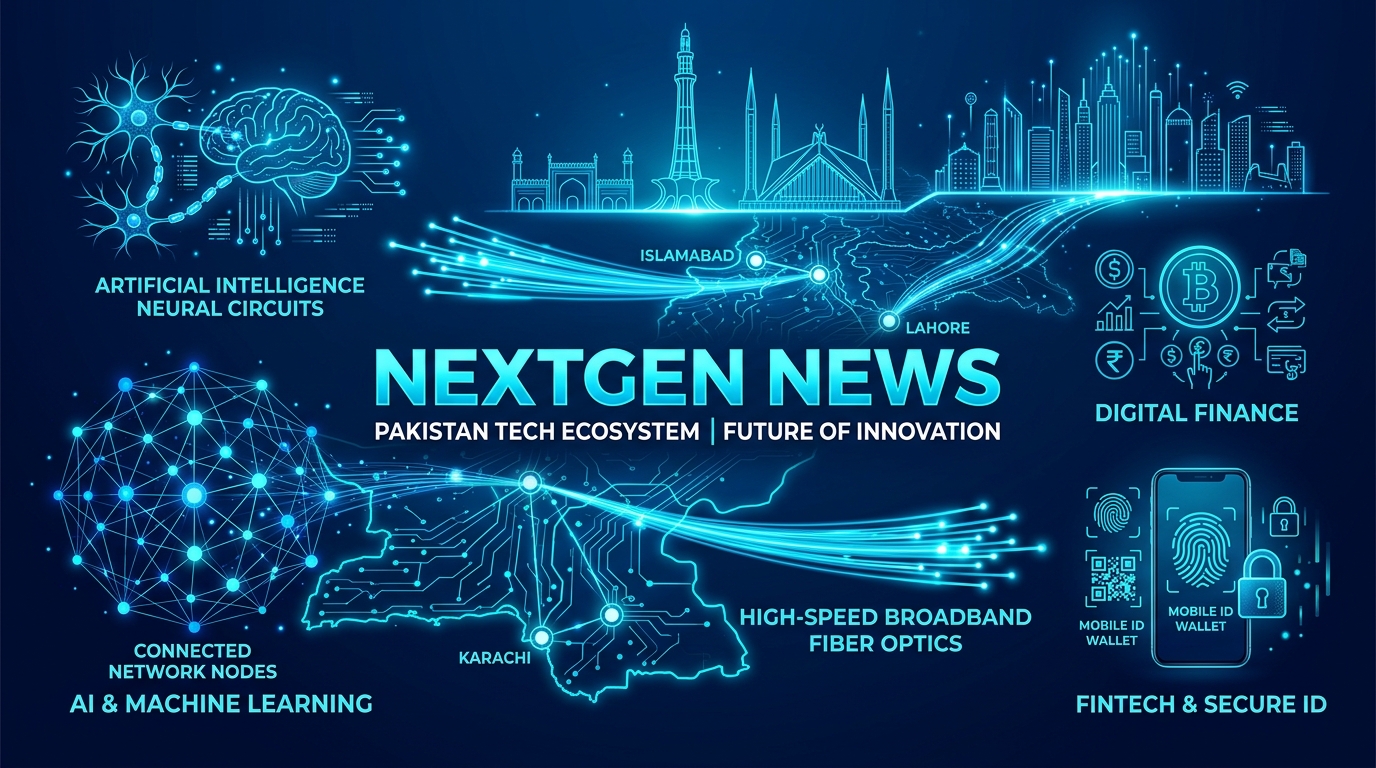
The State Bank of Pakistan (SBP) has marked a historic milestone in the country’s financial technology landscape by granting official approval for a shared, blockchain-based digital identity verification (e-KYC) platform. This strategic move is expected to drastically reduce the onboarding time for customers across multiple financial institutions, lower compliance costs, and minimize fraudulent activities.
The Dawn of Distributed Ledger e-KYC in Pakistan
For years, commercial banks and microfinance institutions in Pakistan have operated isolated KYC (Know Your Customer) processes. This resulted in redundant data collection, customer frustration, and inflated operational expenses. With the SBP’s new regulatory nod, the banking sector will now leverage a unified Distributed Ledger Technology (DLT) framework.
When a user’s identity is verified by one participating bank, the authenticated cryptographic proof is recorded on the blockchain. Other institutions can subsequently query this ledger—with the customer’s consent—to instantly verify their identity without requesting the same documents again.
Technical Implications and Infrastructure Demands
Transitioning from centralized relational databases to a high-throughput, cryptographically secure distributed ledger is no small feat. The shared e-KYC infrastructure will require exceptional computing power, ultra-low latency, and absolute data sovereignty to comply with national regulations.
Financial institutions participating in this blockchain consortium cannot rely on standard shared hosting or offshore cloud environments. Hosting these critical nodes requires robust hardware to handle real-time consensus mechanisms and cryptographic hashing. To maintain peak performance and absolute data localization, banks and FinTech companies are aggressively upgrading to enterprise-grade Dedicated Servers. Furthermore, to ensure compliance with the SBP’s strict data residency guidelines, deploying these ledgers on bare-metal Dedicated Servers in Pakistan is no longer optional—it is a regulatory imperative.
Impact on the FinTech Ecosystem
The approval of this blockchain e-KYC platform unlocks massive potential for the broader FinTech ecosystem:
- Instant Account Opening: Digital wallets, mutual funds, and lending platforms can integrate via APIs to fetch verified identities instantly.
- Enhanced Security: Immutable blockchain records make unauthorized alterations practically impossible.
- Financial Inclusion: By streamlining the onboarding process, rural and unbanked populations face fewer barriers when accessing modern financial services.
Looking Ahead
The SBP’s progressive stance on blockchain technology signals a broader acceptance of Web3 architectures within traditional finance. As the pilot phases conclude and full-scale adoption commences, the demand for secure, locally hosted infrastructure will surge. This initiative not only modernizes Pakistan’s banking sector but also sets a precedent for neighboring regions looking to digitize their identity verification frameworks securely.
