
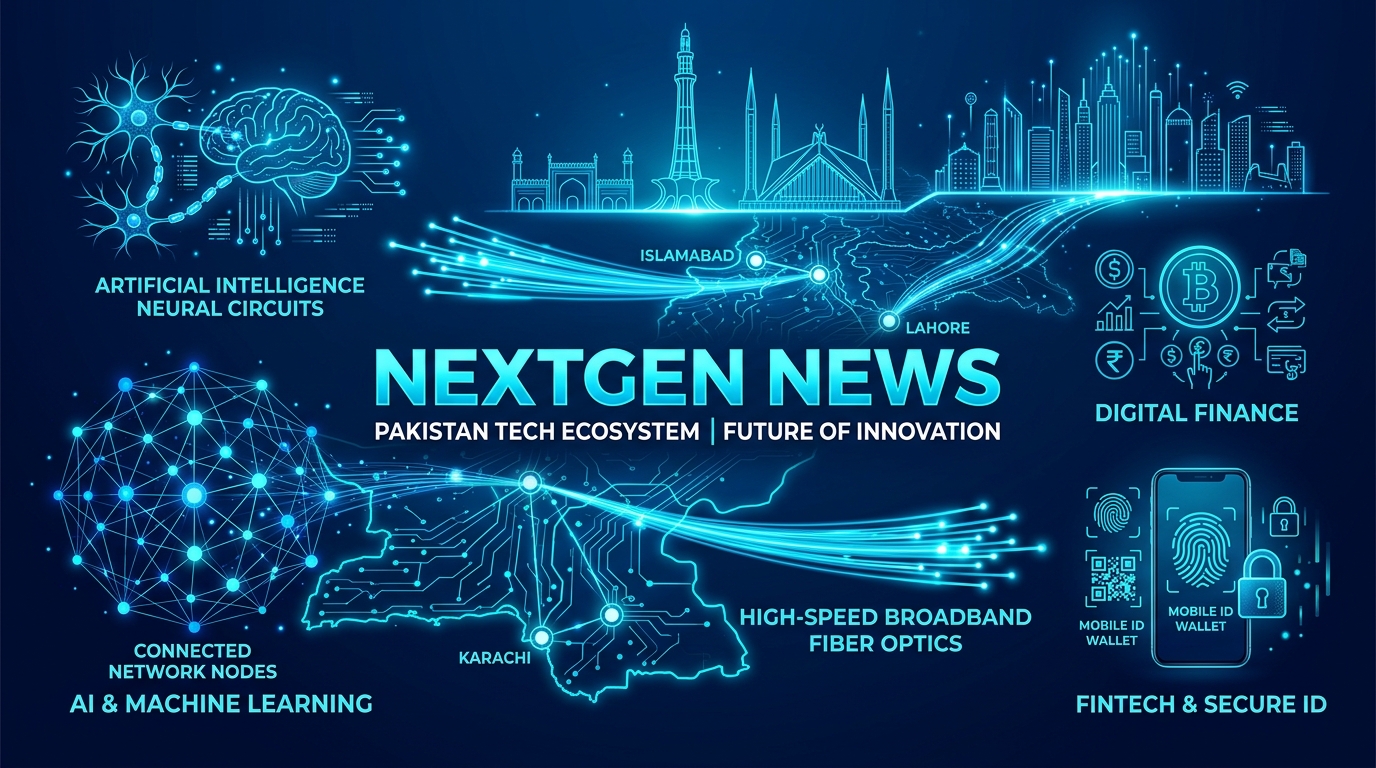
Pakistan has taken a monumental step towards the future of urban infrastructure with the launch of its highly anticipated $100 Million Smart City and IoT Innovation Sandbox. This ambitious initiative, spearheaded by the Ministry of Information Technology and Telecommunication (MoITT) in collaboration with major tech stakeholders, is poised to reshape how metropolitan areas operate, paving the way for data-driven, sustainable, and hyper-connected urban environments.
The Vision Behind the Innovation Sandbox
The core objective of the sandbox is to provide a controlled, resource-rich environment where tech startups, enterprise organizations, and government agencies can collaborate, test, and deploy cutting-edge Internet of Things (IoT) solutions. By mitigating the regulatory and financial risks typically associated with large-scale urban technological deployments, the sandbox serves as an incubator for next-generation smart city applications.
Key focus areas include intelligent traffic management systems, automated waste management, smart grid optimization for energy distribution, and advanced public safety networks utilizing real-time analytics.
Infrastructure Demands of a Smart City Ecosystem
One of the most critical components of any smart city deployment is the underlying digital infrastructure. Processing the colossal volume of data generated by millions of interconnected IoT devices requires immense computational power and ultra-low latency.
To support the massive real-time data pipelines and localized edge computing nodes essential for these applications, enterprises and public sectors must rely on robust infrastructure. This is where enterprise-grade bare-metal Dedicated Servers become indispensable. The sheer volume of data ingestion, processing, and real-time machine learning inference necessitates hardware that can deliver uncompromising performance, security, and uptime.
Furthermore, ensuring low latency for critical applications—such as autonomous vehicle communication and real-time emergency response—dictates that the data must be processed as close to the source as possible. This highlights the growing necessity for state-of-the-art Dedicated Servers in Pakistan. By hosting data locally, organizations can significantly reduce latency, ensure compliance with national data sovereignty regulations, and maintain the high-speed connectivity crucial for a functional smart city.
Empowering Local Tech Innovation
The $100 million fund is not just an investment in hardware and software; it’s a strategic investment in Pakistan’s burgeoning tech talent. A significant portion of the fund is allocated for grants and subsidies to local startups developing proprietary IoT hardware and software solutions tailored to the unique challenges of Pakistani cities.
This initiative is expected to create thousands of highly skilled jobs in fields such as data science, network engineering, and cybersecurity, while simultaneously positioning Pakistan as an emerging hub for IoT innovation in the South Asian region.
What’s Next?
As the first pilot projects prepare to launch in Islamabad and Lahore over the next quarter, the tech community is watching closely. The success of the Smart City and IoT Innovation Sandbox could serve as a blueprint for nationwide technological integration, fundamentally transforming the urban experience and driving economic growth through innovation.
