
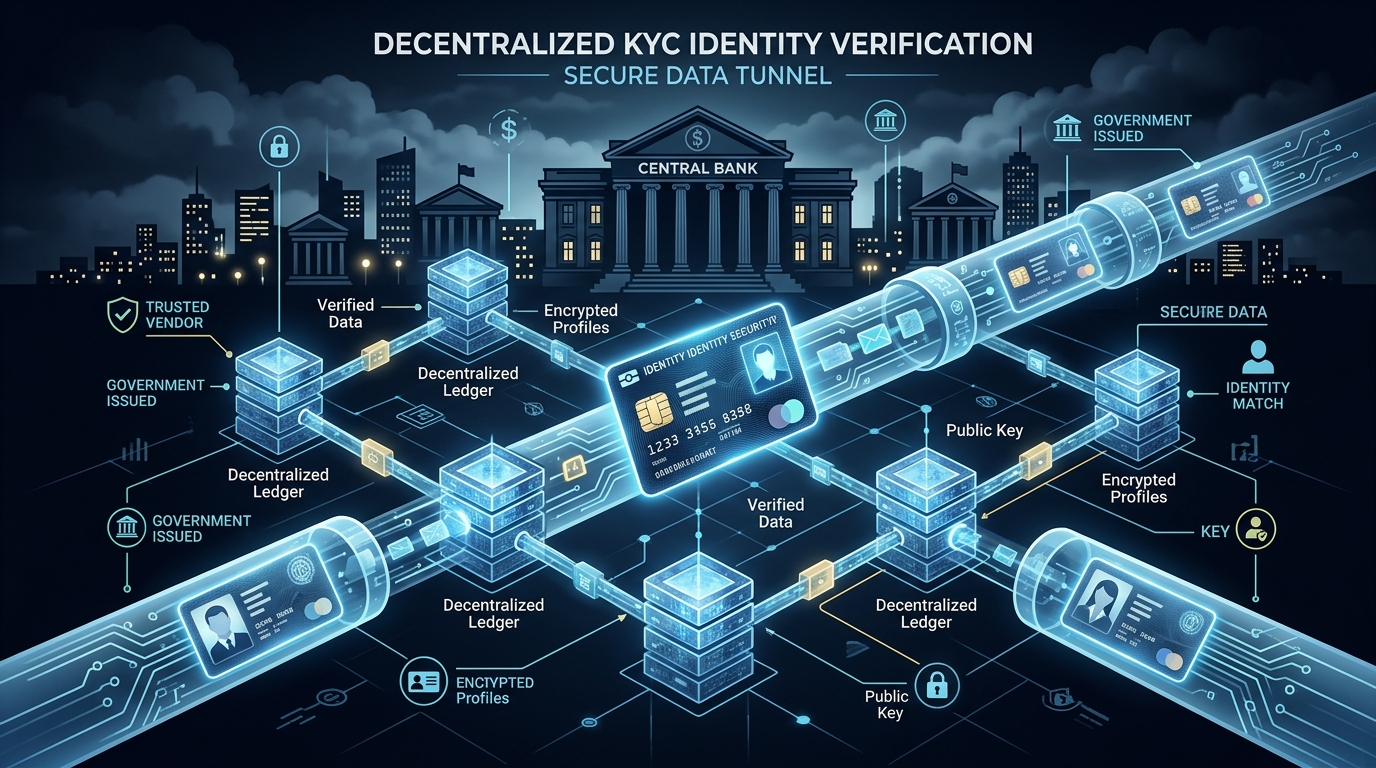
The financial technology (FinTech) landscape in Pakistan is experiencing an unprecedented structural revolution. With the nationwide expansion of the State Bank of Pakistan’s (SBP) Raast Instant Payment Gateway, the licensing of Digital Retail Banks (DRBs), and the proliferation of Electronic Money Institutions (EMIs), processing digital transactions has become the backbone of modern Pakistani commerce.
However, operating a fintech app, digital lending portal, or payment processor in Pakistan comes with rigorous regulatory scrutiny.
Under the SBP Enterprise Technology Governance & Risk Management Framework (BPRD Circular 05) and SBP Cloud Security Directives:
- Data Sovereignty & Residency: All Primary Customer Financial Information (CNIC, biometric data, transaction ledgers, account balances) must reside physically within the borders of Pakistan.
- End-to-End Cryptography: All financial data at rest must be encrypted using AES-256 with Hardware Security Module (HSM) key isolation.
- Multi-Tenant Isolation: Financial institutions are strictly prohibited from hosting core transaction ledgers on unpartitioned, shared public cloud clusters without cryptographic boundary proof.
Failing an SBP regulatory IT security audit results in hefty fines, suspended operating licenses, or immediate revocation of payment gateway sandbox approval.
In this architectural masterclass, we break down the core pillars of SBP cloud compliance and explain how to design an audit-proof, PCI-DSS compliant hosting architecture on enterprise Dedicated Servers in Pakistan.
The 4 Pillars of SBP Cloud Security Compliance
To pass State Bank IT audits, FinTech infrastructure must be engineered across four defensive boundaries:
┌────────────────────────────────────────────────────────────────────────┐
│               SBP & SECP Regulatory Compliance Perimeter               │
├────────────────────────────────────────────────────────────────────────┤
│  1. Physical Data Sovereignty (Islamabad / Karachi Datacenter Tiers)   │
│  2. Hardware Multi-Tenant Isolation (Single-Tenant Bare Metal)         │
│  3. Cryptographic Storage & e-KYC NADRA Vaulting (AES-256 + HSM)       │
│  4. Continuous SOC Audit Logging & Immutable SIEM Telemetry (PCI-DSS)  │
└────────────────────────────────────────────────────────────────────────┘
Pillar 1: Enforcing Data Sovereignty & Domestic Residency
The State Bank of Pakistan explicitly mandates that critical financial databases and electronic Know Your Customer (e-KYC) records cannot cross national borders:
[Citizen Smartphone (Karachi / Lahore / Islamabad)]
                    │
                    ▼ (Encrypted TLS 1.3 / Raast ISO 20022 API)
         [Nextgen Domestic Edge Gateway]
                    │
      ┌─────────────┴─────────────┐
      ▼ (Allowed)                 ▼ (STRICTLY PROHIBITED BY SBP!)
[Domestic Datacenter]       [Offshore Public Cloud (AWS / GCP / Azure)]
(Tier-3 Islamabad / Karachi) (Frankfurt, Singapore, Virginia)
- CNIC Biometric Data       - VIOLATES SBP DATA RESIDENCY MANDATE!
- Transaction Ledgers       - RISKS REGULATORY PENALTIES & LICENSE REVOCATION!
- Bank Account Balances
Why Foreign Hyperscalers Fail Compliance:
While AWS, Azure, and Google Cloud offer impressive global tooling, none of them operate a physical cloud region within Pakistan. Hosting your primary customer database in AWS eu-central-1 (Frankfurt) or ap-southeast-1 (Singapore) places your financial institution in direct violation of domestic data localization laws.
To maintain 100% regulatory sovereignty, primary transaction databases must run on dedicated physical infrastructure hosted inside audited Tier-3 Pakistani datacenters.
Pillar 2: Cryptographic e-KYC Vaulting & CNIC Encryption
When customers onboard via mobile biometric scans, digital banks capture sensitive NADRA verification data, CNIC numbers, facial liveness vectors, and mobile phone numbers.
Under SBP security guidelines, storing plain-text CNIC numbers in relational databases is an immediate critical audit failure.
Envelope Encryption Architecture:
[User Submits CNIC: 37405-xxxxxxx-x]
                  │
                  ▼
[Application Memory (PHP / Go / Node.js)]
                  │
  1. Generate Ephemeral Data Encryption Key (DEK) via AES-256-GCM
  2. Encrypt CNIC with DEK -> [Encrypted Payload]
                  │
  3. Send DEK to Hardware Security Module (HSM) / KMS
  4. HSM encrypts DEK using Master Key Encryption Key (KEK) -> [Encrypted DEK]
                  │
                  ▼
[Database Storage (MariaDB / PostgreSQL)]
Stores ONLY: { "encrypted_data": "...", "encrypted_dek": "...", "nonce": "..." }
Even if an attacker gains full root access to the database tablespace, the data is completely unreadable without access to the isolated hardware key management engine!
Pillar 3: Network Segmentation & Zero-Trust Micro-Perimeters
SBP frameworks enforce strict Demilitarized Zone (DMZ) segregation:
[Public Internet]
       │
       ▼ (Port 443 Only)
┌─────────────────────────────────┐
│     Public Edge Ingress DMZ     │
│   - NGINX WAF / Reverse Proxy   │
│   - Rate Limiting / DDoS Filter │
└────────────────┬────────────────┘
                 │
                 ▼ (Private VLAN 10.0.10.0/24)
┌─────────────────────────────────┐
│      Application Tier (APIs)    │
│   - Microservices (Go / Java)   │
│   - Raast ISO 20022 Translators │
└────────────────┬────────────────┘
                 │
                 ▼ (Private Encrypted WireGuard / VLAN 10.0.20.0/24)
┌─────────────────────────────────┐
│       Secure Core DB Vault      │
│   - MariaDB / PostgreSQL Cluster│
│   - Zero Public Internet Access │
│   - Immutable Write-Ahead Logs  │
└─────────────────────────────────┘- The Ingress DMZ: Only the reverse proxy has a public IPv4 address.
- The Application Tier: Communicates only over isolated internal private VLANs.
- The Database Core: Has zero direct public internet connectivity. Package updates and telemetry are routed through an internal egress proxy with strict domain whitelisting.
Pillar 4: Immutable Audit Trails & SOC Monitoring
To satisfy SBP annual cybersecurity audits, all administrative actions, database logins, and failed privilege escalations must be streamed to an immutable, append-only log vault for at least 7 years.
Configuring Linux Audit Daemon (auditd) for SBP Compliance:
# /etc/audit/rules.d/sbp-fintech-audit.rules

# Monitor unauthorized access to sensitive financial configuration files
-w /etc/passwd -p wa -k identity_tampering
-w /etc/shadow -p wa -k identity_tampering
-w /etc/sudoers -p wa -k privilege_tampering

# Monitor database data directory modifications
-w /var/lib/mysql -p wa -k database_storage_tampering

# Monitor kernel module loading/unloading
-a always,exit -F arch=b64 -S init_module -S delete_module -k kernel_modules
Stream logs in real-time to a central SIEM (Wazuh / Elastic Security) over encrypted TLS channels so that even a rogue root administrator cannot alter past records!
The Foundation: Single-Tenant Bare Metal vs. Multi-Tenant Cloud
In shared public cloud environments, hypervisors allocate virtual CPUs across unknown adjacent tenants. If a neighboring tenant runs an unoptimized batch process, your payment API experiences latency jitter, leading to Raast transaction timeouts and failed checkout webhooks.
Deploying on single-tenant bare-metal enterprise hardware guarantees:
- 100% Dedicated Hardware Isolation: Zero co-tenancy with outside workloads.
- Microsecond Latency to Domestic Clearing Houses: Direct low-latency cross-connects to 1Link, Raast, and Nayatel/PTCL backbones.
- Physical Datacenter Audit Access: Clear compliance documentation certifying physical server location within Pakistan.
Explore Nextgen’s high-performance bare-metal Dedicated Servers and locally hosted Dedicated Servers in Pakistan.
Build SBP-Compliant Financial Infrastructure with Nextgen
Deliver ultra-fast, secure, and regulatory-compliant digital banking platforms. Deploy isolated bare-metal servers inside Tier-3 Pakistani datacenters backed by 24/7 dedicated enterprise support.
