
Counter-Strike 2 (CS2) has raised the bar for competitive gaming, demanding precision, fast reaction times, and crucially, an environment with minimal network delay. For gaming communities, tournament organizers, and eSports cafes in Pakistan, relying on international servers often results in unacceptable latency (ping) and packet loss. The solution? Hosting your own high-performance CS2 server locally on an NVMe VPS in Pakistan.
In this comprehensive, expert-level guide, we will walk you through the entire process of setting up, configuring, and optimizing a robust CS2 server. We will cover server requirements, software configuration via SteamCMD, network tuning, and when it makes sense to scale your hardware.
Why Choose an NVMe VPS for CS2 in Pakistan?
When hosting a fast-paced FPS game like Counter-Strike 2, server tick rate consistency and data retrieval speeds are paramount. Traditional HDDs or even standard SSDs can cause micro-stutters when loading maps or handling fast-paced multi-player calculations.
An NVMe VPS offers:
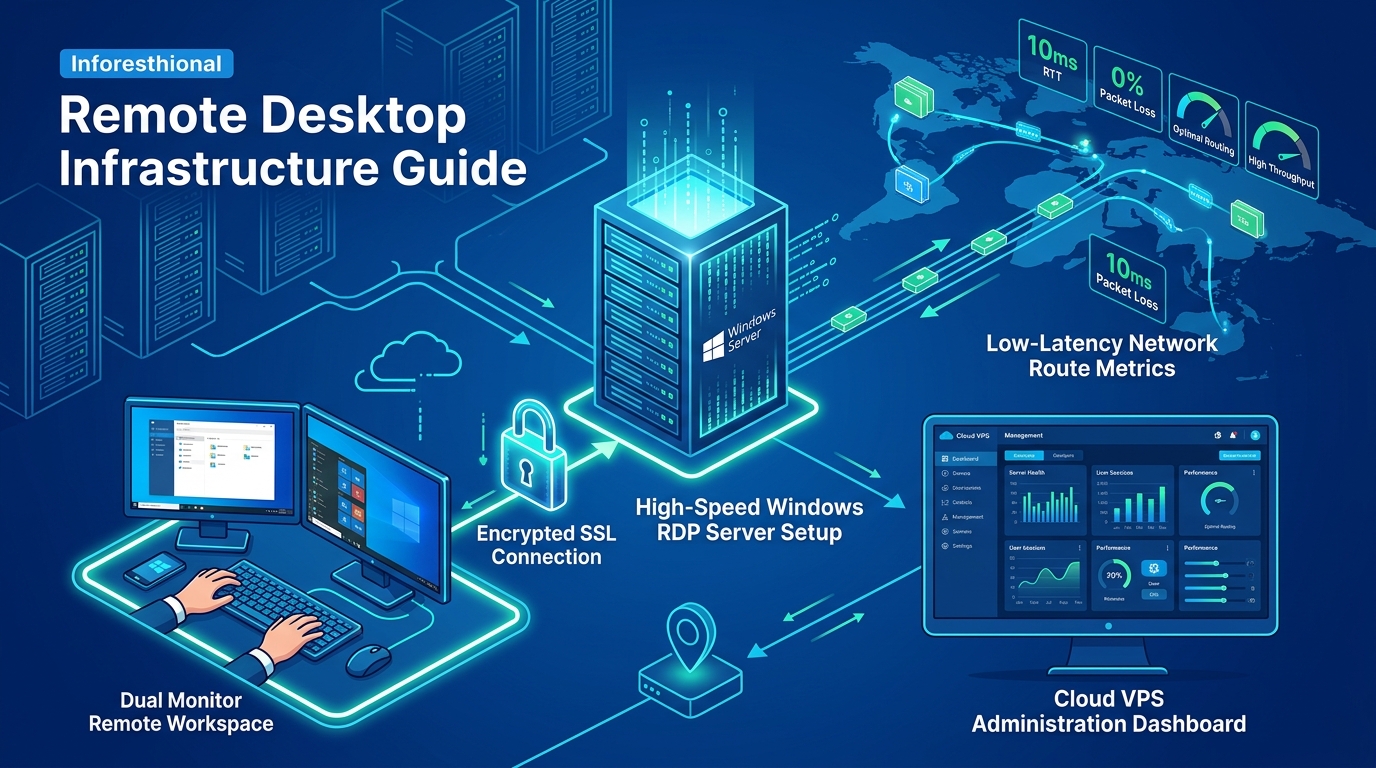
- Ultra-Low Latency: Hosting geographically close to your player base (within Pakistan) can reduce ping from 120ms+ (European servers) or 60ms+ (Middle East) to a blazing fast 10-25ms.
- High I/O Speed: NVMe drives eliminate disk bottlenecks during server startup and map changes.
- High Clock Speed CPUs: CS2 servers rely heavily on single-core CPU performance to maintain a stable 64 or 128 tick rate (sub-tick architecture in CS2).
Prerequisites and System Requirements
To ensure smooth gameplay for up to 24 players, your VPS should meet the following minimum specs:
- CPU: 4 vCores (High clock speed, e.g., 3.0GHz+)
- RAM: 8 GB DDR4/DDR5
- Storage: 80 GB NVMe Storage (CS2 server files require around 50-60GB)
- OS: Ubuntu 22.04 LTS or Debian 12 (Linux is highly recommended for minimal overhead)
- Network: 1 Gbps port with generous bandwidth
Note: If you plan on hosting multiple heavy game servers simultaneously, or running massive 64+ player community servers with custom mods, you will eventually outgrow a VPS. Scaling a game server for massive concurrent player counts requires the raw hardware power found in our Dedicated Servers and particularly our bare-metal Dedicated Servers in Pakistan.
Step 1: Server Preparation and Security
First, log into your VPS via SSH and update your system packages.
sudo apt update && sudo apt upgrade -yInstall Required Dependencies
CS2 requires specific libraries to run smoothly. Install lib32gcc-s1 which is crucial for SteamCMD.
sudo apt install -y curl wget tar bzip2 gzip unzip python3 binutils bc jq tmux glibc-source lib32gcc-s1 lib32stdc++6Create a Dedicated Game Server User
Running a game server as the root user is a severe security risk. Create a dedicated user named cs2server.
sudo adduser --disabled-password --gecos "" cs2server
su - cs2server
Step 2: Installing SteamCMD and Downloading CS2
SteamCMD is the command-line version of the Steam client, used to install and update dedicated servers.
mkdir ~/steamcmd && cd ~/steamcmd
wget https://steamcdn-a.akamaihd.net/client/installer/steamcmd_linux.tar.gz
tar -xvzf steamcmd_linux.tar.gz
Now, download the Counter-Strike 2 Dedicated Server files (App ID 730).
./steamcmd.sh +force_install_dir ~/cs2server +login anonymous +app_update 730 validate +quitDepending on your VPS network speed, downloading the ~55GB server files may take a few minutes.
Step 3: Generating a Steam Game Server Login Token (GSLT)
To host a public CS2 server, you must authenticate it using a GSLT.
- Navigate to the Steam Game Server Account Management page.
- Log in with your Steam account (must have a registered phone number and own a copy of CS2/CS:GO).
- Enter the App ID
730and generate your token. Keep this token safe.
Step 4: Configuring the Server
Navigate to the CS2 configuration directory:
cd ~/cs2server/game/csgo/cfgCreate a new file named server.cfg to set your server’s basic rules:
nano server.cfgAdd the following configuration:
// Server Name and Passwords
hostname "Pakistan Premium CS2 Server | NVMe VPS"
rcon_password "YourSuperSecretRconPassword"
sv_password "" // Leave blank for a public server

// Network and Tickrate Optimization (Sub-tick settings)
sv_maxrate 0
sv_minrate 786432
sv_maxcmdrate 128
sv_mincmdrate 128
sv_minupdaterate 128
sv_maxupdaterate 128

// General Settings
mp_autoteambalance 1
mp_limitteams 1
writeid
writeip
Save and exit.
Step 5: Launching the CS2 Server
To keep the server running in the background after you close your SSH session, use tmux.
tmux new -s cs2Navigate to the game directory and launch the server. Replace YOUR_GSLT_TOKEN with the token generated in Step 3.
cd ~/cs2server/game/bin/linuxsteamrt64
./cs2 -dedicated +map de_dust2 -maxplayers 24 +sv_setsteamaccount YOUR_GSLT_TOKEN
Your server will now initialize. Once you see the console output confirming the server has connected to the Steam network, you can detach from the tmux session by pressing Ctrl+B, then D.
Step 6: Firewall Configuration
Ensure your players can actually connect to the server by opening the necessary ports in the ufw firewall.
sudo ufw allow 27015/tcp
sudo ufw allow 27015/udp
sudo ufw allow 27020/udp
sudo ufw reload
Advanced Optimization Tips for Low-Latency
- CPU Governor Tuning: By default, Linux may throttle CPU frequencies to save power. Change the CPU governor to
performanceto lock the CPU at its maximum clock speed.echo performance | sudo tee /sys/devices/system/cpu/cpu*/cpufreq/scaling_governor - Network Queue Length: Increase the network interface
txqueuelento handle sudden bursts of packets during intense firefights, minimizing packet drop. - Regular Updates: CS2 updates frequently. Set up a cron job script to automatically run SteamCMD and validate server files during off-peak hours.
When to Upgrade?
An NVMe VPS is exceptional for small to medium communities, practice servers, and standard 5v5 competitive matches. However, if you are looking to host 64-tick 100-player custom modes, multiple heavy servers concurrently, or complex sourcemod plugins requiring immense single-thread performance, virtualization overhead might become a bottleneck. When that time comes, upgrading to our Dedicated Servers in Pakistan will provide you with the unshared, bare-metal performance required for enterprise-tier gaming experiences.
Enjoy your ultra-low ping CS2 matches in Pakistan!
